What Lifelong Management of Canine Allergies Actually Looks Like
“For the rest of her life?” I asked in disbelief. I was standing in the hallway, my phone pressed against my ear as the canine dermatologist rattled off the list of environmental substances that my dog was allergic to: Dust, mold, dander, grasses, weeds, trees, bugs, yeast and more. “This is a chronic condition,” the vet explained, and that over time, “most dogs can be managed to a satisfactory level.”
Satisfactory? I thought. That’s it? And that’s supposed to be good enough?
It had taken us months to figure out what the issue was in the first place. After months of incessant scratching, head shaking, paw-gnawing and a series of unpleasant skin infections, I was glad to finally have a diagnosis. All along, though, had been telling myself that once we knew what the problem actually was, we could “fix” it, ideally with a simple course of medication. I had been hopeful for a fix that would allow us all to move on with our lives.
Instead, I was hearing the specialist tell me that that Lainey would need to be on some sort of treatment forever, and even then, she might still be itchy.
After we hung up, an email from the vet arrived, outlining Lainey’s condition and initial treatment plan in more detail. This sentence stood out:
“Treatment is life-long and often requires periodic adjustments to continue effectiveness over time.”
So much for taking a pill and getting on with it. Now that we are more than three years post-diagnosis, that single sentence has turned out to be one of the most important things we’ve learned.
Accept That There Is No Cure
When you’re dealing with canine atopy, sometimes called canine dermatitis or environmental allergies, you are playing a long game. This is not a curable condition. There’s a lot of trial and error. There are periods where everything is working well and my dog is symptom-free, and there are times when we notice the scratching again and need to think about making some changes. We need to ask ourselves questions like:
Should we switch medications?
Do I need to increase the dose?
Is this still helping enough to justify the cost and the potential side effects?
How long can she safely stay on this?
Those questions are expensive. They mean more vet visits, more bloodwork, more uncertainty, and more potentially a more expensive protocol. And with canine atopic dermatitis, the changes are often subtle at first, which makes them easy to miss until they’ve already gotten pronounced enough that I feel bad for letting it progress and not stepping in sooner. (Ah, the guilt!)
We’ve also learned that not every “great new option” that people rave about in Reddit threads and Facebook groups will work for our dog. We’ve tried some of the ones that get a lot of praise. Lainey didn’t tolerate them. That was disappointing, because of course I wanted the thing that was working so well for other people.
Focus on What We Can Control
People who don’t have an allergy dog or who do not have a dog at all do not understand what it feels like to think you are trying everything but still not doing enough.
I know this because I live it, but I also chat with people on various internet message boards who are dealing with this, too. The vibe is always the same: frustration, overwhelm and desperation.
My advice is always the same: focus on what you can control. Lifestyle and environmental management is the part that still feels underrated. Frequent bathing with a gentle shampoo. Regular vacuuming. Washing her bedding. Trying (and often failing) to keep the house as dust-free as possible. None of it is dramatic. None of it “cures” anything. But it lowers the baseline load her immune system has to deal with, which means the less her system has to fight.
This is what lifelong management actually looks like in practice. Not a single protocol that locks in forever. A willingness to keep watching, keep adjusting, and keep doing the unglamorous work even when it feels like it should be simpler by now.
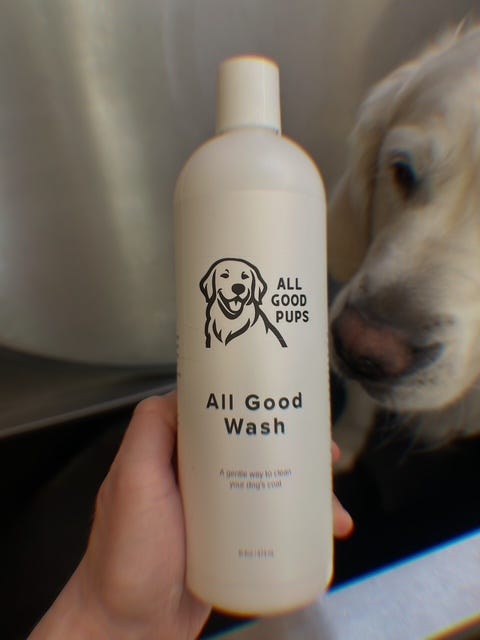
If you’re in the middle of trying to find the right solution for your allergy pup, check out our All Good Wash. It’s not a cure, but a good bath can help you fight back .